The principle
Thailand is placed at tropical region which highly has both biological and cultural diversity. Especially the medicinal and food culture come from plants. These unique culture and knowledge have enough potentiality to make wealth to both community and nation. However these valuable knowledge and cultures are continually and permanently lost before touch by the light of science.
Therefore, to prevent the continuity of knowledge erosions, this knowledge must be studied and collected. This collected knowledge will be used as the maps for both own and near communities’ developing. In addition, these ethnobotany shall be transform to database and will be applied by others science such as medicine, nutrition, conservation, and occupation. 


The ways to research
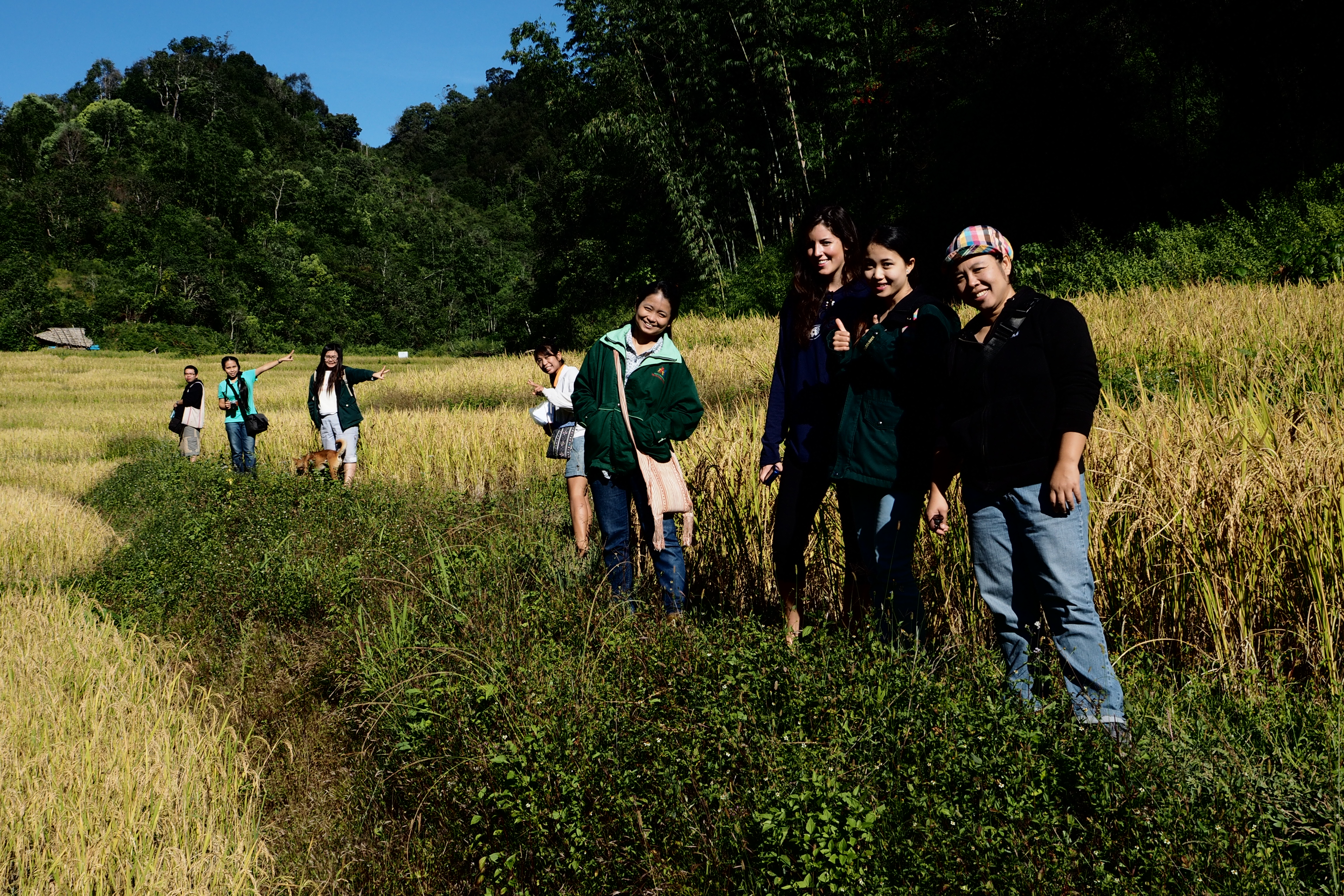
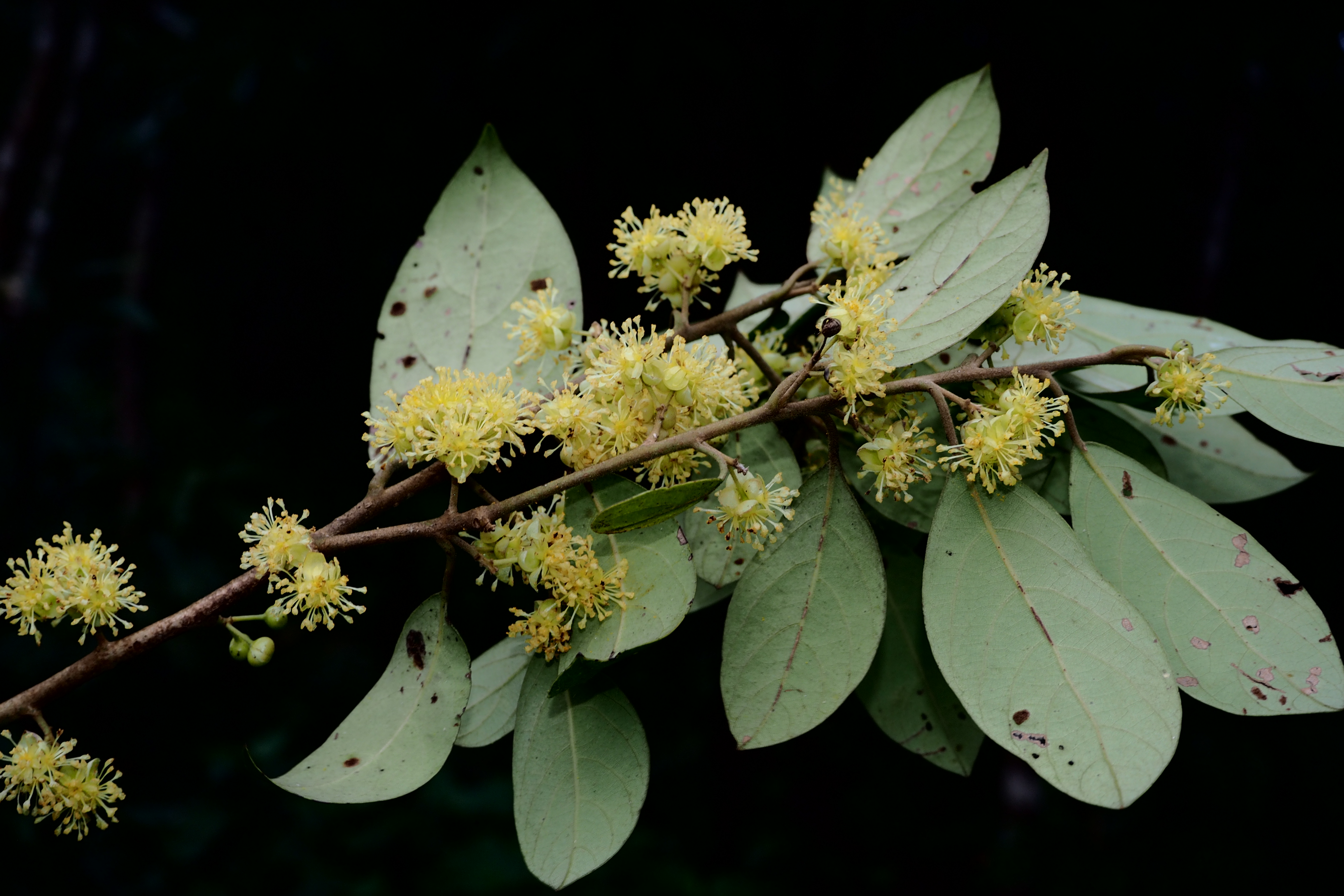
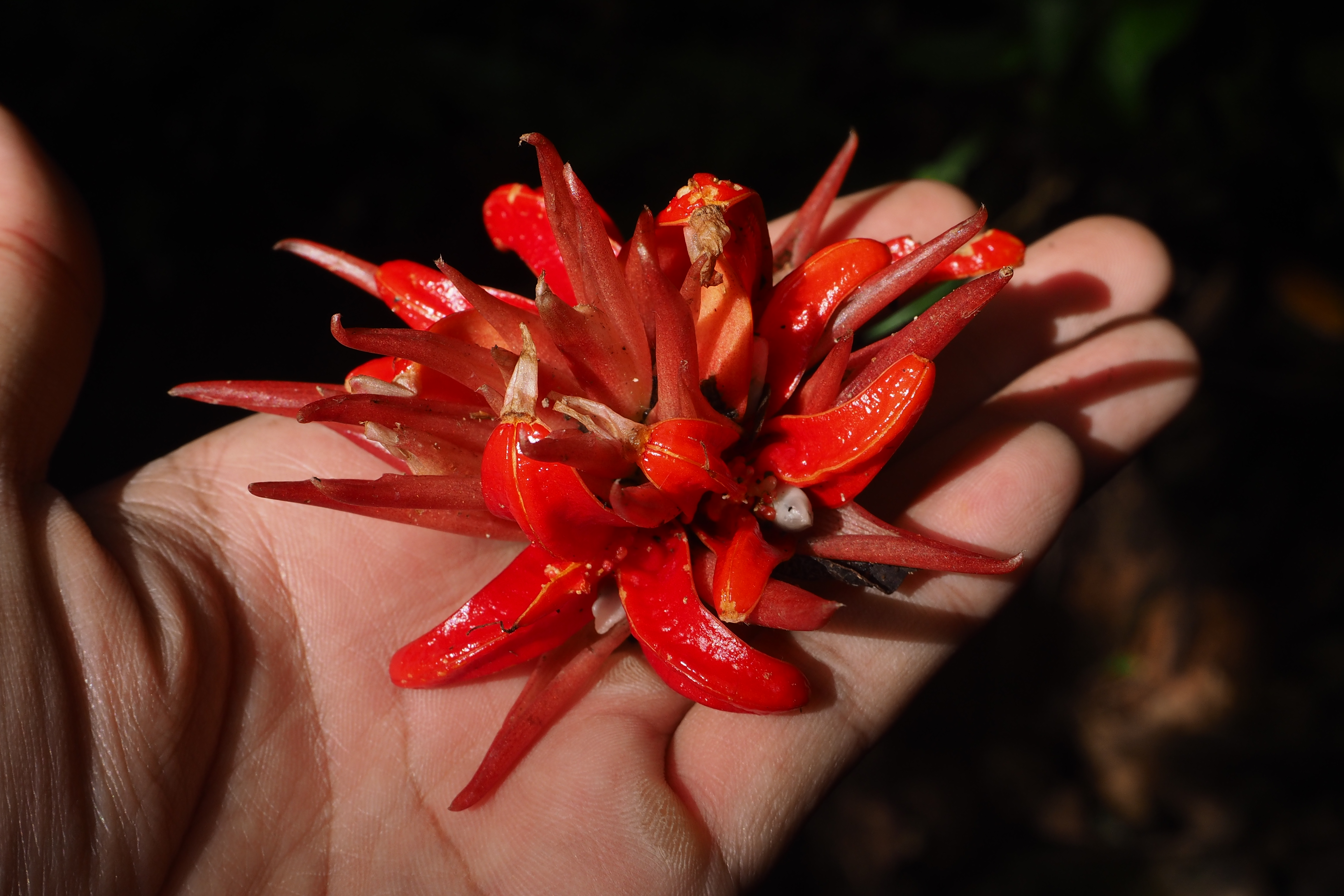
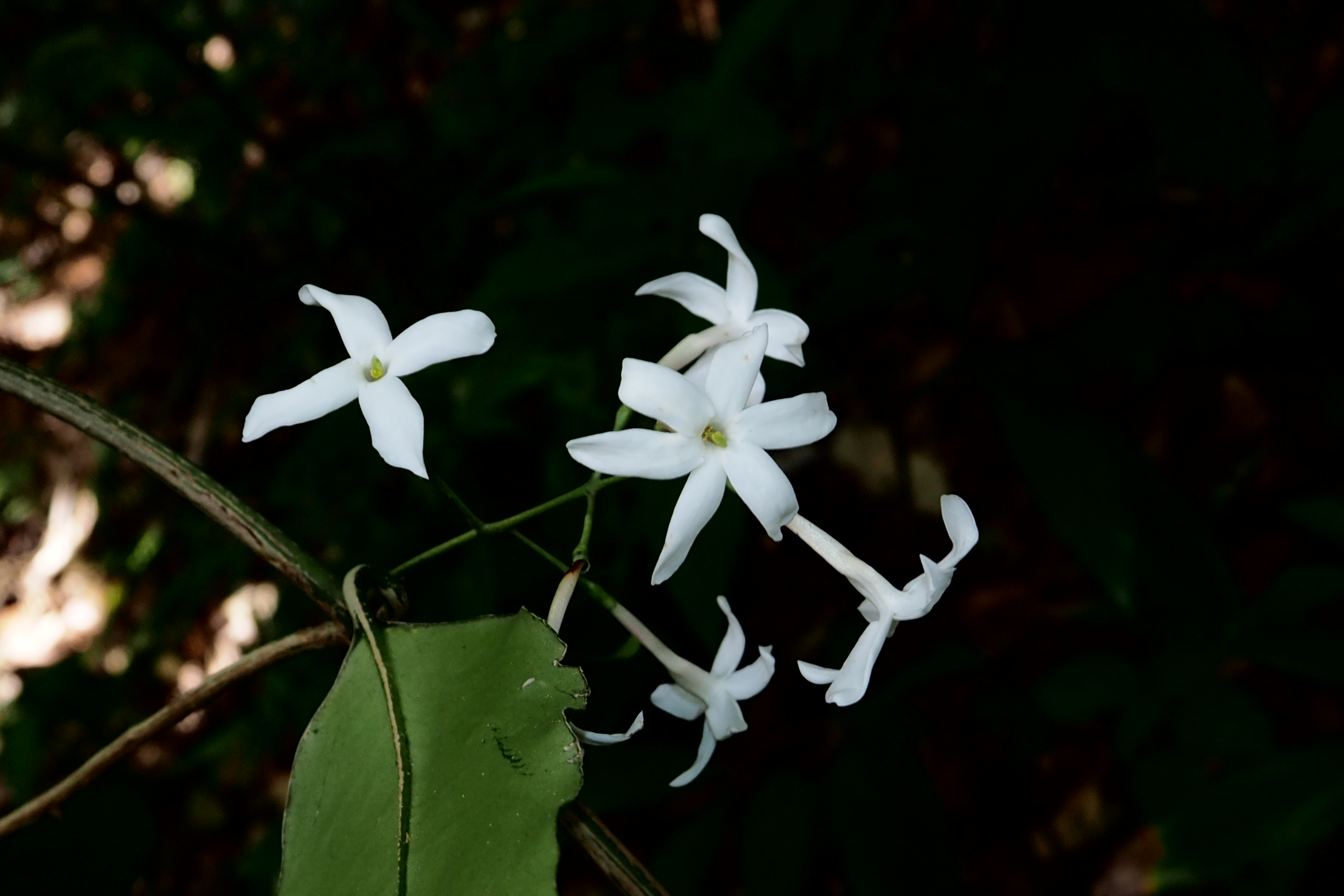
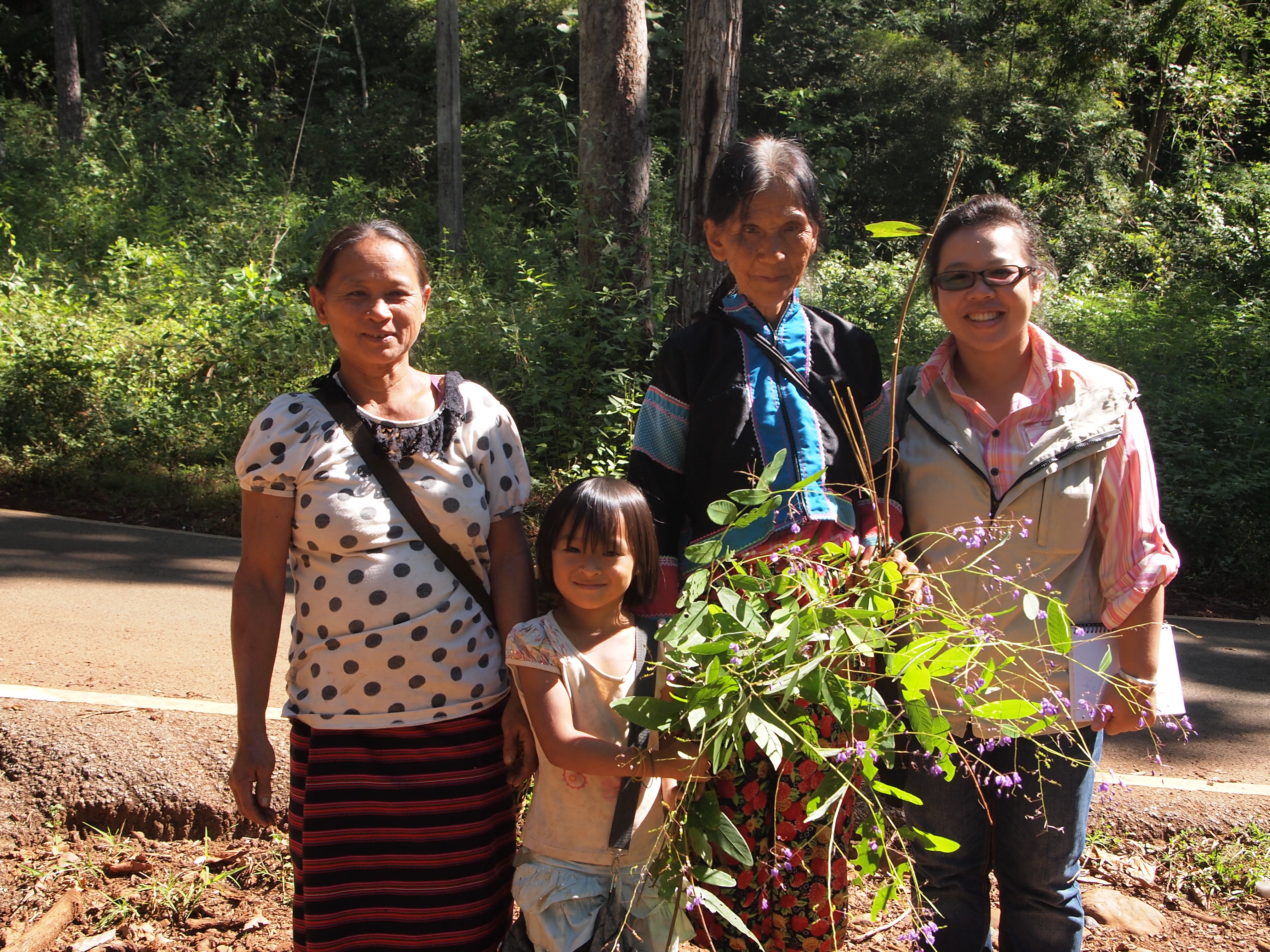
To compare the ethnobotany of each ethic groups in upper northern Thailand, the qualitative ethnobotany or broad study will be conducted firstly to investigate botanical name and the ways of uses of all plants including crops, medicinal plants, social plants etc. in study areas. The main information of this way will come from key informants such as local healers, old men, and agriculturalist. The importance and the uses of this information in the community will be examined by quantitative method. In the end, both information will be analyzed together to investigate the relation between the knowledge and plant resource of each ethic groups in upper northern Thailand. [1]


Objective
1) To study and collect plants’ uses database of ethnic groups in upper northern Thailand.
2) To compare and examine relationship of each ethic groups’ knowledge and resource management.
3) To encourage and conserve the knowledges of plants’ uses ethic groups.
4) To promote ethics’ plants which have appropriate potentiality to be economic plants.
Form of technical services and form partnerships with other agencies.
1) To construct plant’s uses database
2) To propose and exchange our publications and knowledge with others expert.
3) To return the knowledge to community and the public.
4) To publish articles in international journal.
Materials
- Herbarium and plant specimens
- Hot air oven
- Equipment for collecting plant specimens
References
- “Flora of China》(Vol. 19)”. 2011.